
The Legality of Online Gambling Understanding Your Rights and Risks

The Legality of Online Gambling: Understanding Your Rights and Risks
Online gambling has surged in popularity over the past two decades, especially with the advancement of technology and the emergence of various platforms. Many players enjoy the convenience of placing bets from the comfort of their homes. However, the legality of online gambling varies widely across the globe, creating a complex web of regulations that can leave players confused. In navigating this landscape, it’s essential to understand the laws applicable in your jurisdiction. For those interested in online gambling, you can check the The Legality of Online Gambling in Bangladesh: A Comprehensive Guide Mostbet login to access one of the popular betting platforms.
Historical Background of Gambling Laws
Gambling has a long history, often seen in ancient civilizations where it was used as a form of entertainment. Over the centuries, various societies developed laws to regulate gambling activities, but many of these were underpinned by moral and social concerns. The legality of gambling began to gain a more structured form with the introduction of the Gaming Act in the United Kingdom in 1968. This marked a significant shift, bringing gambling into a regulated framework.
The Internet Revolution and Online Gambling
The rise of the internet in the 1990s paved the way for online gambling sites to emerge. The first online casinos appeared in 1994, and this new frontier quickly attracted significant numbers of players. The accessibility and anonymity of online gambling contrasted sharply with traditional forms, drawing both enthusiasts and those concerned about the potential for addiction and financial ruin.
Current Legislation in Various Countries
The legality of online gambling varies by country, reflecting differing cultural attitudes toward gambling itself. In many countries, gambling is heavily regulated or outright banned, while others have embraced it as a lucrative economic sector. Here’s a breakdown of the situation in several regions:
United States
In the United States, online gambling laws are fragmented, varying from state to state. The Professional and Amateur Sports Protection Act (PASPA) of 1992 effectively prohibited sports betting in many states until it was struck down by the Supreme Court in 2018, allowing states to regulate sports betting as they see fit. States like New Jersey and Pennsylvania have embraced online gambling, offering various forms, including poker and casino games.
Europe
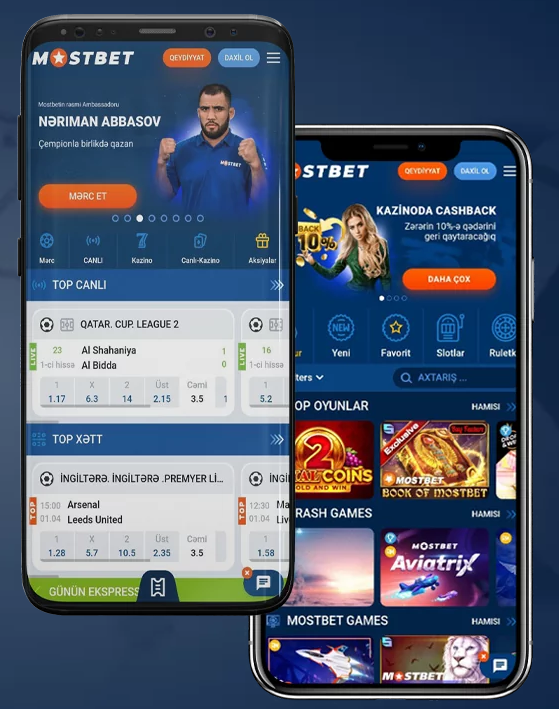
Europe is generally more liberal regarding online gambling. Countries like the United Kingdom have well-established regulatory frameworks allowing operators to offer services legally, provided they obtain the necessary licenses. The UK Gambling Commission regulates the industry, ensuring player protection and fairness. However, other countries have restrictions, such as France and Belgium, which enforce strict regulations on operators.
Asia
Asia presents a mixed picture regarding online gambling. While countries like the Philippines have become hubs for online gambling businesses, others, such as China, maintain strict prohibitions. In India, the legality of online gambling is ambiguous, with some states legalizing certain forms, while others continue to ban them.
The Importance of Regulation
Regulation plays a crucial role in the online gambling sector. Licensed operators are bound by law to ensure fair play, protect players’ funds, and prevent fraud. Regulatory bodies also ensure that online casinos use random number generators to promote fairness in their games. For players, choosing a licensed operator means they have recourse in case of disputes.
Player Responsibilities
While laws safeguard players, they must also take personal responsibility for their gambling activities. Understanding local laws is paramount. In most jurisdictions, players are permitted to engage in online gambling, as long as they comply with the age restrictions and rules provided by their local laws.
Additionally, players should conduct due diligence on gambling sites. Looking for licenses, reading reviews, and assessing the site’s reputation can mitigate risks associated with unregulated or illegal gambling platforms.
Future Trends in Online Gambling Legislation
With the online gambling industry continuing to grow, future trends might see more countries move towards legalization and regulation. Stakeholders, including governments, operators, and players, are increasingly recognizing the potential economic benefits of regulated online gambling, including tax revenue and job creation.
Moreover, advancements in technology—such as blockchain and virtual reality—are likely to shape the future of online gambling, requiring lawmakers to adapt existing frameworks to accommodate these innovations while ensuring player protection.
Conclusion
The legality of online gambling is a dynamic issue, affected by cultural attitudes, technological advances, and economic needs. As a player, staying informed about the legal landscape is essential in making safe and responsible gambling choices. Whether you’re betting from your home or checking an online platform like Mostbet, understanding your rights and the associated risks will help you navigate the vibrant world of online gambling.
